
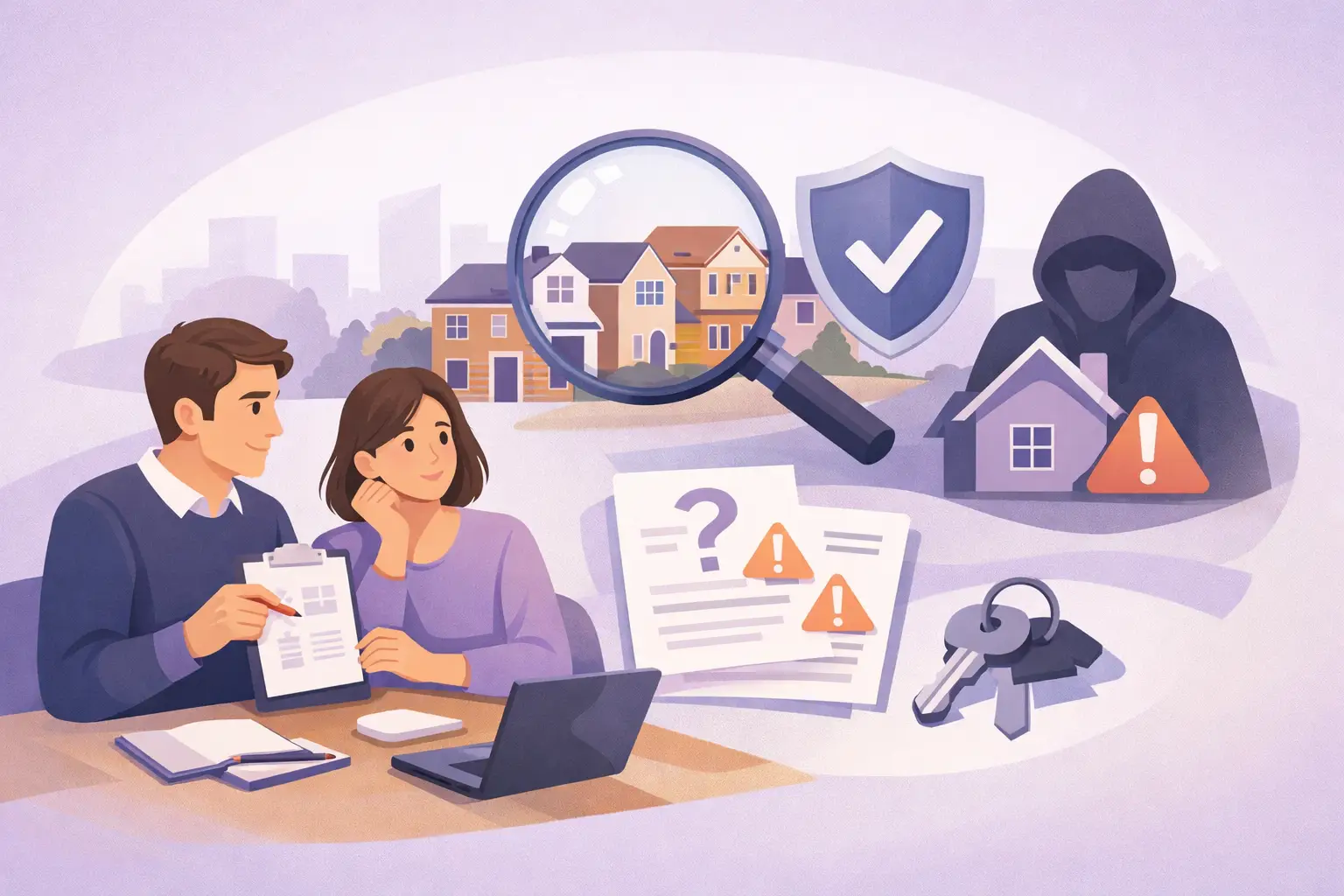
A convincing brochure, a polished social media profile and a friendly phone call can all make an opportunity feel established. None of them proves that the person, company or property behind it is genuine. Learning how to avoid property investment scams is less about becoming suspicious of everyone and more about slowing down enough to verify what matters before money changes hands.
Property investment involves real people, real paperwork and often large sums. That makes clear processes valuable. A legitimate seller, agent, sourcer or professional should be able to answer reasonable questions, provide relevant documents and allow time for independent checks. If information becomes vague when you ask for evidence, treat that as useful information in itself.
How to avoid property investment scams: start with independent checks
The simplest rule is this: do not rely on evidence supplied only by the person asking for your money. A document may be genuine but out of date, incomplete or unrelated to the particular deal. A company registration may be real while the person contacting you has no connection to it. Verification needs to come from sources you find yourself.
If you are dealing with a limited company, check its details directly on Companies House. Look beyond the company name. Consider when it was formed, who the directors and people with significant control are, whether filings appear up to date, and whether the business activity broadly fits what it claims to do. A new company is not automatically a problem, but it gives you less history to assess and may call for more questions.
For a property, establish the address and check ownership through HM Land Registry where appropriate. This can help you identify whether the person presenting the deal appears connected to the property. It will not replace legal due diligence, and some titles or circumstances can be more complex than they first appear, but it is a sensible early check.
Be equally careful with contact details. Find a firm's telephone number through its own official website or a recognised register rather than using the number in an email, advert or WhatsApp message. Call it independently and ask to confirm the person, transaction and bank details. Fraudsters can copy logos, websites, staff names and email signatures with surprising accuracy.
Separate a poor deal from a possible scam
Not every disappointing investment is fraudulent. A deal can be real, legally marketed and still unsuitable for your budget, aims or tolerance for refurbishment, voids, management and compliance work. Confusing these two issues can lead investors to focus on whether a deal is “legitimate” while overlooking whether the numbers and practical demands make sense.
Start with the basics: the asking price, likely purchase costs, realistic rent, finance costs, refurbishment allowance, ongoing management, insurance, maintenance, void periods and compliance obligations. Then test the assumptions rather than accepting an attractive headline figure. Comparable sold prices, local rental evidence and independent contractor estimates are more useful than a spreadsheet with unexplained inputs.
This is where a calm second opinion can be particularly helpful. A trusted mentor, experienced peer or appropriately qualified professional may spot missing costs or questions you have not yet learned to ask. They cannot remove risk or make the decision for you, but isolation makes it easier for bad information to go unchallenged.
Know the warning signs, without relying on one sign alone
A single warning sign does not prove dishonesty. People can be disorganised, properties can have unusual ownership arrangements, and a genuine opportunity may require a decision within a normal commercial timetable. The concern grows when several issues appear together, especially when they make independent verification difficult.
Be cautious if you encounter any of the following:
- A request to send a reservation fee, deposit or other payment before you have verified the recipient, the property and the terms in writing.
- Bank details that change at the last moment, particularly when the request arrives by email or message rather than through an independently confirmed contact route.
- Claims that a property is owned, tenanted, valued or funded in a particular way without documents that can be checked.
- An unwillingness to let your solicitor, surveyor, lender or other relevant professional review information.
- Confusing contracts, unexplained charges, missing company details or a reluctance to identify who is responsible if something goes wrong.
- A person presenting themselves as authorised to provide regulated financial, legal or investment services when you cannot confirm that status through the relevant official register.
The pattern matters. A genuine business should not object to sensible due diligence. They may have confidentiality obligations or a process for sharing documents, but there should be a clear route to getting the information you reasonably need.
Treat money and documents with extra care
Property fraud often depends on diverting funds or getting someone to commit before they have understood the paperwork. Never assume an email is safe simply because it appears to come from a solicitor, agent or company you know. Email accounts can be compromised and sender addresses can be made to look very similar to genuine ones.
Before making a payment, confirm the account name, sort code and account number using a telephone number you sourced independently. Ask what the payment is for, who will hold it, whether it is refundable, and under what conditions. Make sure the answer is reflected in written terms you have had time to read. A payment being described as a “deposit” does not, by itself, explain your rights or where the money goes.
Do not send copies of identification, bank statements or signatures more widely than necessary. A legitimate party may need identification for anti-money-laundering checks, but you can still ask why it is required, how it will be stored and who will receive it. If a document needs signing, read the whole document, including schedules and small print. For binding legal documents and conveyancing, use a properly regulated solicitor whom you have chosen and verified yourself.
Be clear about the role each person is playing
Property transactions can involve estate agents, deal sourcers, auctioneers, developers, brokers, solicitors, surveyors and contractors. Their responsibilities, payment arrangements and regulatory position may differ. Do not assume that because somebody has experience in property, they are acting for you or have checked the deal on your behalf.
Ask directly: who are you representing, how are you paid, what have you personally verified, and what remains for me to verify? If somebody is introducing a deal for a fee, ask for the fee arrangement and service scope in writing. If they are giving guidance on lending, investments, tax or legal matters, establish whether they are authorised or qualified to do so and seek advice from an appropriate independent professional where needed.
This is not about making every conversation adversarial. It is about avoiding assumptions. Clear roles protect good working relationships as much as they protect your money.
Build a process that works when you are busy
Scams can succeed when someone is tired, rushed or trying to keep up with a fast-moving conversation. A repeatable checklist reduces the chance that confidence, excitement or overwhelm takes over. Keep one folder for each potential deal, with notes of conversations, versions of documents, screenshots of adverts and records of every check you have completed.
Give yourself a pause between receiving information and acting on it. During that pause, verify names, companies, property details and payment instructions independently. Compare the deal against your own criteria, not someone else's enthusiasm. If you do not yet have criteria, that is a useful place to begin: define the type of property, area, budget, responsibilities and level of risk you are prepared to explore.
A tool can help organise figures and questions, but it cannot validate a claim simply because the figures look neat. Property Powwow's approach is to use learning, practical tools and human conversation to support judgement, not replace it. There is no wrong place to start, and asking a basic question early is usually easier than untangling a costly misunderstanding later.
If something does not feel right
Pause the transaction. Do not send further funds or documents while you clarify what has happened. Preserve emails, messages, contracts, payment records and details of phone calls. Contact your bank promptly if you think money may have been sent to a fraudulent account, and report suspected fraud through the appropriate UK reporting channels. If a professional firm may be involved or impersonated, contact it using independently sourced details.
Where there is a live purchase, sale or tenancy issue, tell your solicitor or other relevant professional quickly. They can advise on the steps within their professional remit. General education cannot assess the facts of your situation, particularly where contracts, ownership, lending or personal financial circumstances are involved.
Good property decisions rarely depend on being the quickest person in the room. Give yourself permission to ask for evidence, take time to understand it and walk away when the answers do not add up. That is not missed opportunity. It is judgement in practice.